Society for the Protection of Aquatic Mammal Species in Latin America
Project "Vaquita"
Project SOS Vaquita – The Last Chance to Save a Species
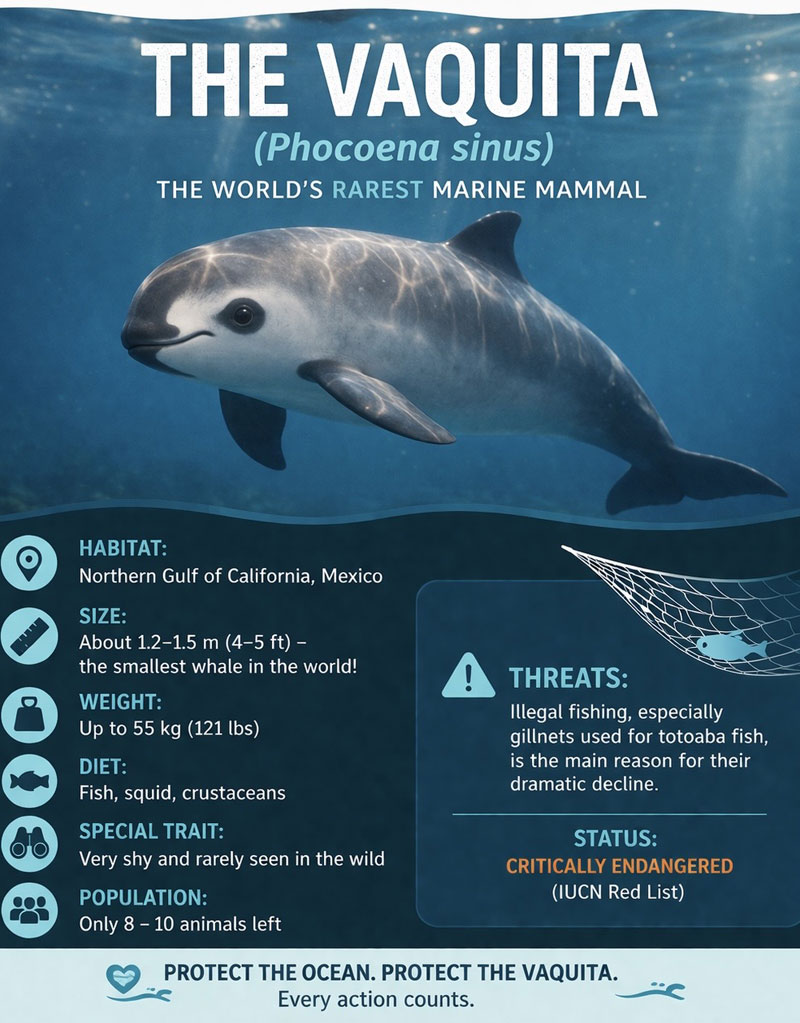
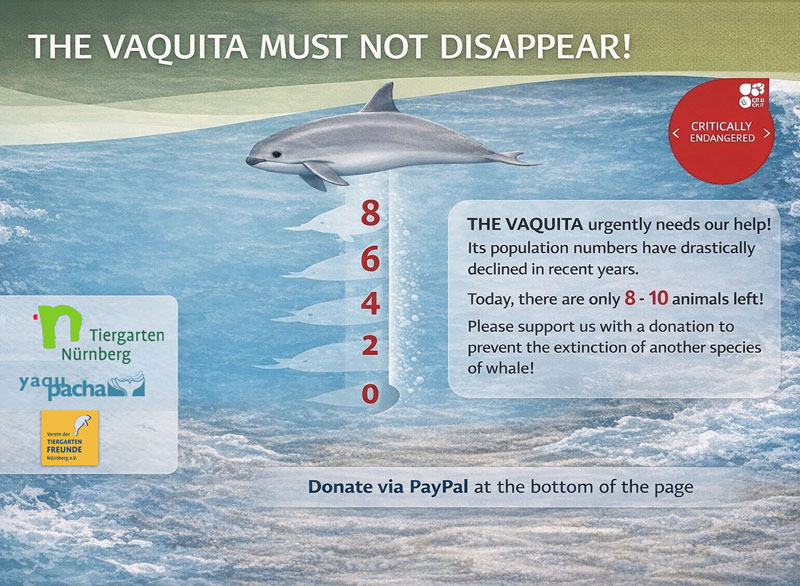
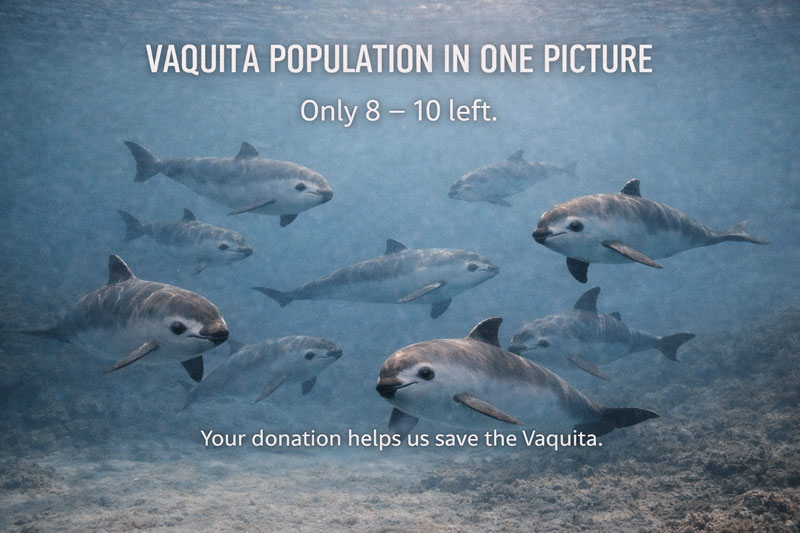
The vaquita (Phocoena sinus) is on the brink of extinction.
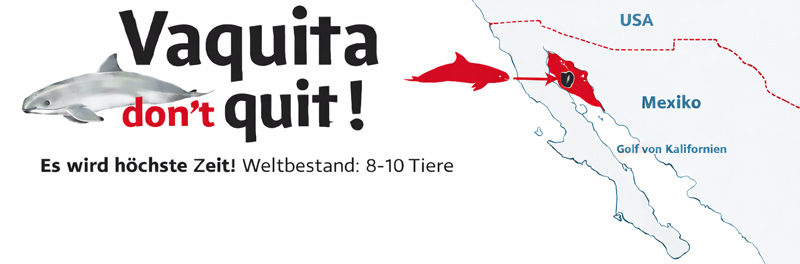
It lives exclusively in the northern part of the Gulf of California in Mexico and is an endemic species —which means it is found only in this limited area worldwide.
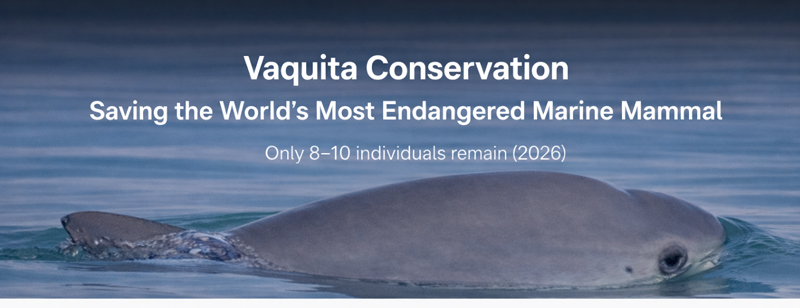
Over the past decade, the population has declined by more than 95%. Today, there are only about 8–10 animals left worldwide (as of 2026)
This makes the vaquita the rarest marine mammal on Earth—and it urgently needs our help.
• Raise awareness about the protection of the vaquita
• to attract international attention
• To raise the funds needed to save this endangered species
Vaquita – don’t give up.
Habitat Conservation
Targeted conservation measures have been implemented in the vaquita's range:
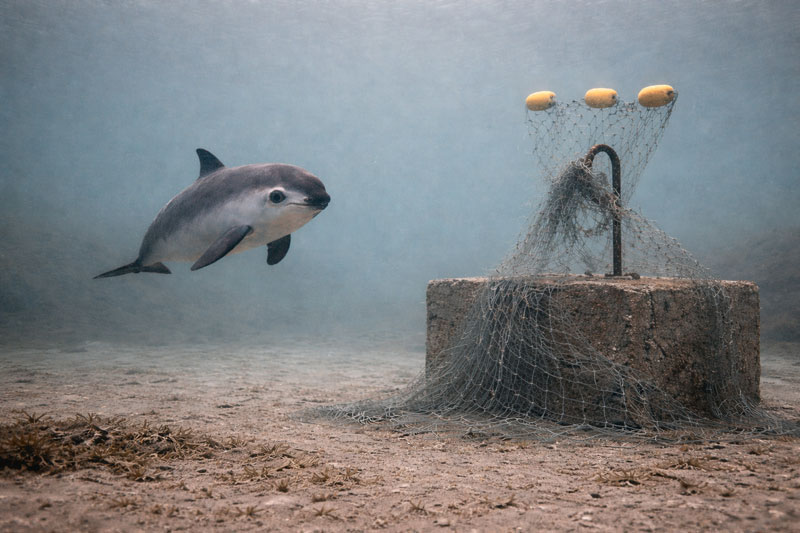
• Concrete blocks with steel hooks were installed on the seabed
• These effectively prevent the use of illegal gillnets
• Fishing nets would get tangled and be destroyed
These measures directly contribute to the protection of the remaining animals.
Hope: New talent spotted
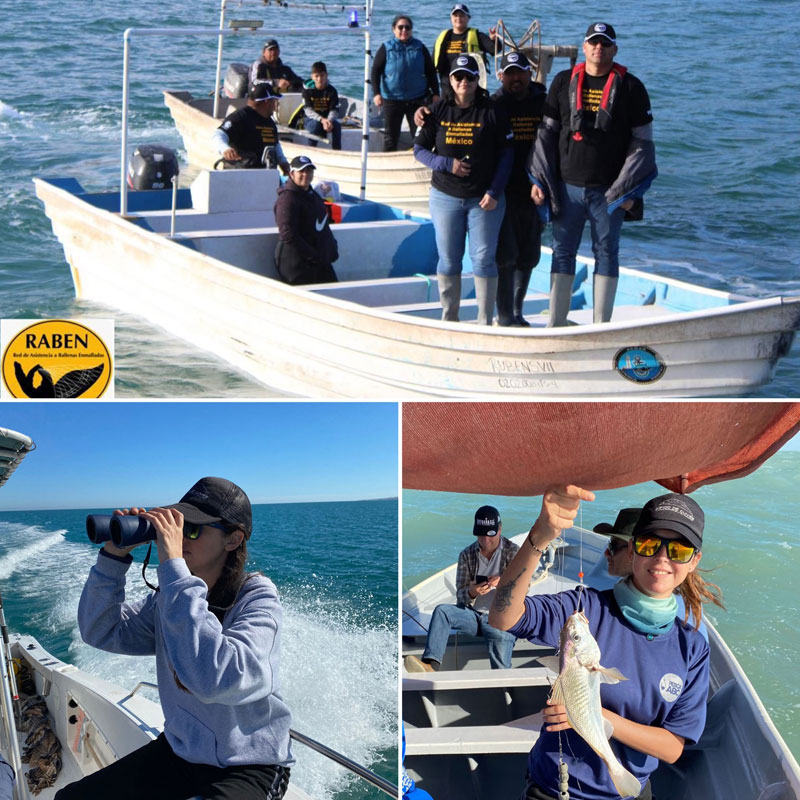
During the latest Vaquita expedition in 2025, two juveniles (calves) were spotted.
This sighting is an important sign: the remaining animals are continuing to reproduce.
At the same time, the situation remains extremely critical, and the Vaquita is still critically endangered.
Why the Vaquita Is Disappearing
The biggest threat is illegal gillnet fishing.
These nets are used primarily to catch totoaba. They are deadly to vaquitas:
• they get caught in the nets
• They can no longer appear
• they drown
Despite existing protective measures, nets continue to be used—with devastating consequences.
What needs to happen to save the vaquita?
Saving this species and ensuring the survival of its population involves several costly measures:
• Ban on and strict enforcement of gillnet fishing
• Establishment and effective protection of protected areas
• Ongoing monitoring of the population
• On-site environmental education programs
These measures are crucial to ensuring the species' survival.
International Cooperation for the Protection of the Vaquita
The donations collected as part of the initiative are used for specific purposes.
In collaboration with these partners, the funds are used directly to finance protective measures on the ground.
Sustainable Solutions with Pesca ABC
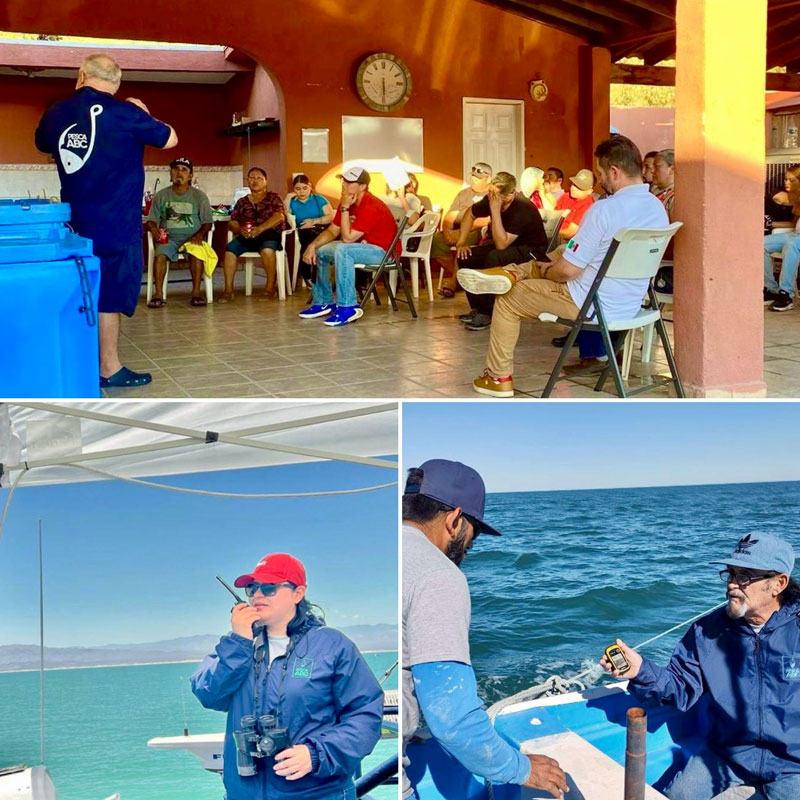
A key part of our work is collaborating with local fishermen in the northern Gulf of California.
Together with Pesca ABC, YAQU PACHA is committed to responsible and sustainable fishing, combining marine conservation with the needs of coastal communities.
This creates a genuine, sustainable alternative to illegal gillnet fishing.
Current Status and Situation
The latest population estimates, at 8–10 vaquitas (as of 2026), indicate a slight stabilization of the population.
Nevertheless, the situation remains extremely critical. Any further loss could lead to the extinction of this species.
Our Responsibility
Saving the vaquita is one of YAQU PACHA’s core missions.
For over 30 years, we have been working in Latin America to protect endangered marine mammals.
The vaquita is now one of the most urgent priorities of our work.
Help us save the vaquita
The vaquita can still be saved—but only if we act now.
You are currently viewing a placeholder content from Facebook. To access the actual content, click the button below. Please note that doing so will share data with third-party providers.
You are currently viewing a placeholder content from Instagram. To access the actual content, click the button below. Please note that doing so will share data with third-party providers.
You are currently viewing a placeholder content from Turnstile. To access the actual content, click the button below. Please note that doing so will share data with third-party providers.
You are currently viewing a placeholder content from X. To access the actual content, click the button below. Please note that doing so will share data with third-party providers.